

The first week at CMU was a combination of introduction to scholarly work, settling into a new area, and enjoying the beauty of the campus. First, I met Dr. David Danks in his office in Baker hall to discuss what research is and how to conduct it. We discussed the importance of a scholar choosing a domain of personal interest and exploring questions that are fascinating. As a new scholar in autonomous technologies and ethics, I am unfamiliar with research question formulation, and methods to answer that question. Danks walked me through the idea of a question tree. The original question/ problem you pose will inevitably have multiple layers of other questions attached to it that must be considered before accurately addressing the central question. The question/problem is the heart of your research and you must explore many possible angles for the most accurate solution. My work for this first week was creating 1-3 question trees.


I pose the question, “Will autonomous vehicles reduce the annual fatality rate in the United States?” As Danks explained, that this one question must be looked at from a range of other related questions. This has many layers to it that must be addressed. Are Self-driving cars (SDCs) safer than human drivers on average? How do you measure that? By fatalities per mile? What are the primary causes of vehicle-related deaths? Where do most fatalities occur, and will SDCs be available in those areas? Main demographics, pedestrian/driver/passenger? Will people who afford SDCs belong to this main demographic? What time frame will there be mass adoption of SDCs? What will that transition look like? What stages? Where will the majority of these cars drive? How will human drivers react to autonomous vehicles, will they be more aggressive, passive, or intimidating? Will this gradual introduction correlate to a temporary increase in fatalities although not directly from autonomous vehicles? How should autonomous vehicles respond to contextual shifts in other people’s driving?
The questions go on and on and can be very overwhelming. After creating this tree, I read scholarly journals and popular media to discover what the broader conversation is surrounding these questions and which ones are related to the original one. This was challenging. It is hard to know when enough is enough or if what you are doing is a waste of time. Also with limited background knowledge and experience, it is easy to give into despair and give up. I procrastinated a lot. Planned instead of worked. And worked out or played the piano to take my mind off the horrors of research. However, through keeping a very detailed daily journal I was able to identify what attitudes and approaches do and do not work. I am here to learn how to research. It is ok to make lots of mistakes, but not repeat them over and over. Also talking with former UROC scholar Philip Cooksley who is majoring in A.I Planning and decision making was incredible.
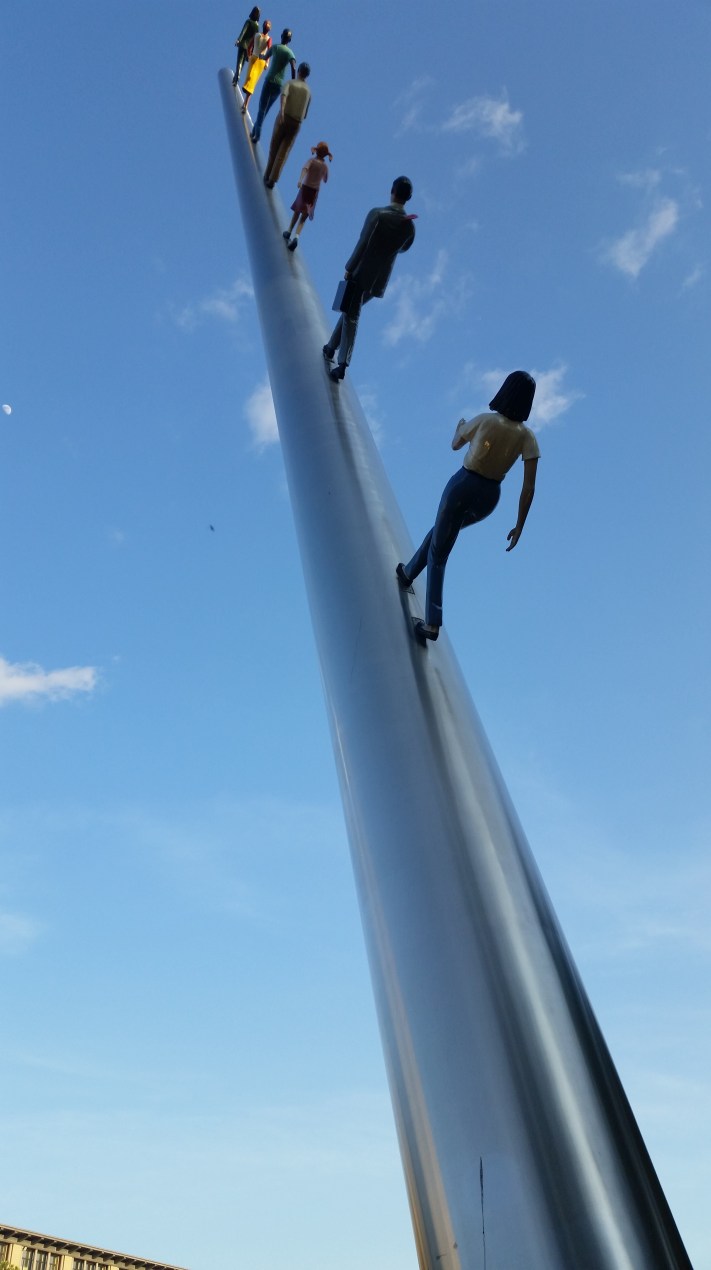
Overall, the first week was exciting and overwhelming at the same time. Being mentored by an expert in Autonomous systems ethics and policy at Carnegie Mellon was something totally unexpected. I thought I would be in the CSUMB library alone reading books all day. But here I am, ready to learn as much as possible, and most of all, enjoy this incredible experience.

 Timothy Geary Portfolio
You are handling the transition so well! I am so impressed with your ability to just jump in and be completely together. I am in a really similar boat since I’m at Cornell, the raw intimidation of the name is just so hard to overcome, I’m glad you pushed through and are having a good time!
LikeLiked by 2 people
Hi Tim!
I loved reading this blog post! All of your photos are beautiful, and I can’t even imagine how exciting it must be to experience working with an expert in your field at a new campus. I particularly enjoyed reading about how you formed your research question. I have experienced similar feelings in regards to the tediousness of going around in circles with my questions and trying to peel back to layers involved with every research question I came up with. I think you’re doing a great job and I can’t wait to hear more about how your studies will progress. Best of luck with your continuing summer research adventures.
–
Ky
LikeLiked by 1 person
Hi Tim! I know this is wayyy later than the others but the experience sounded incredible! Your “question trees” were so cool and sounded incredibly interesting. The pictures really helped bring the thought process to light! I completely understand the “horrors” of research and the idea of planning as a way of procrastinating instead of actually doing. But looks like you had a great attitude at the end, it was great to read about!
LikeLiked by 1 person